

Transforming Metal into Masterpieces: The Art of Welding

Updated: 3 days ago
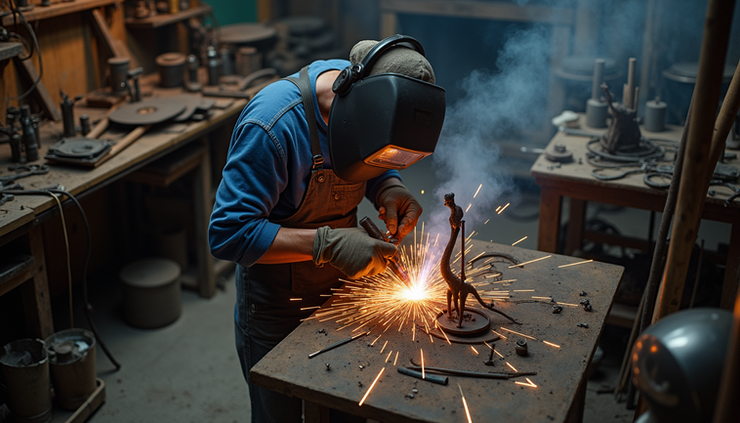
Welding is often seen as a purely industrial skill, used to join metal parts in construction or manufacturing. Yet, beyond its practical applications, welding holds a unique place in the world of art. Artists use welding to shape metal into sculptures, installations, and decorative pieces that challenge traditional ideas of creativity. This post explores how welding transforms cold metal into expressive, lasting works of art.

Welding as a Creative Medium
Welding allows artists to manipulate metal in ways that other materials do not permit. The process involves melting metal parts and fusing them together, which gives the artist control over form and structure. Unlike carving or molding, welding builds up the artwork piece by piece, layer by layer.
Artists can use various welding techniques such as:
MIG welding for smooth, continuous seams
TIG welding for precise, delicate joins
Stick welding for rougher, textured effects
These methods enable a wide range of finishes and styles, from sleek modern designs to rugged, industrial looks.
Examples of Welding in Art
Many well-known artists have embraced welding to create memorable sculptures:
Richard Serra uses large steel plates welded together to form monumental, curved sculptures that invite viewers to walk around and inside them.
David Smith combined welding with abstract forms, producing dynamic pieces that balance weight and space.
Deborah Butterfield welds scrap metal to create lifelike horse sculptures, blending natural shapes with industrial materials.
These examples show how welding can bring metal to life, turning it into something expressive and meaningful.

Techniques and Tools Artists Use
Creating art with welding requires more than just technical skill. Artists must understand the properties of different metals like steel, aluminum, and copper. Each metal reacts differently to heat and welding methods, affecting the final look and durability.
Common tools include:
Welding machines (MIG, TIG, Stick)
Angle grinders for shaping and smoothing
Plasma cutters for precise metal cutting
Protective gear such as helmets and gloves
Artists often combine welding with other techniques like hammering, bending, or painting to add texture and color.
Challenges and Rewards of Welding Art
Working with metal and welding presents challenges. The heat can warp metal, and mistakes are difficult to undo. Safety is critical because welding produces intense light, heat, and fumes. Artists must balance technical demands with creative vision.
Despite these challenges, welding offers unique rewards:
The ability to create large, durable sculptures
Freedom to experiment with form and texture
The satisfaction of transforming raw metal into art
Welding art pieces often become public installations or gallery highlights, admired for their strength and beauty.
Bringing Welding Art into Your Space
If you appreciate the boldness of welded metal art, consider incorporating it into your environment. Many artists create custom pieces for homes, offices, and gardens. Metal sculptures can serve as focal points or complement architectural features.
When selecting welded art:
Think about scale and placement
Consider the metal’s finish and how it will age
Discuss your vision with the artist to ensure the piece fits your style
Welding art can add a strong, tactile element to any space, blending craftsmanship with creativity.
Welding transforms metal from a raw material into expressive art that captures imagination and skill. This craft combines technical expertise with artistic vision, producing works that stand the test of time. Whether monumental sculptures or delicate forms, welding opens new possibilities for artists and admirers alike. If you want to explore metal art, look for local artists or workshops where welding meets creativity. Your next masterpiece might just be forged in fire and steel.


Comments